
Sleep regularity: why your wake time matters more than your bed time
Going to bed and waking at the same time predicted lifespan better than how long people slept.
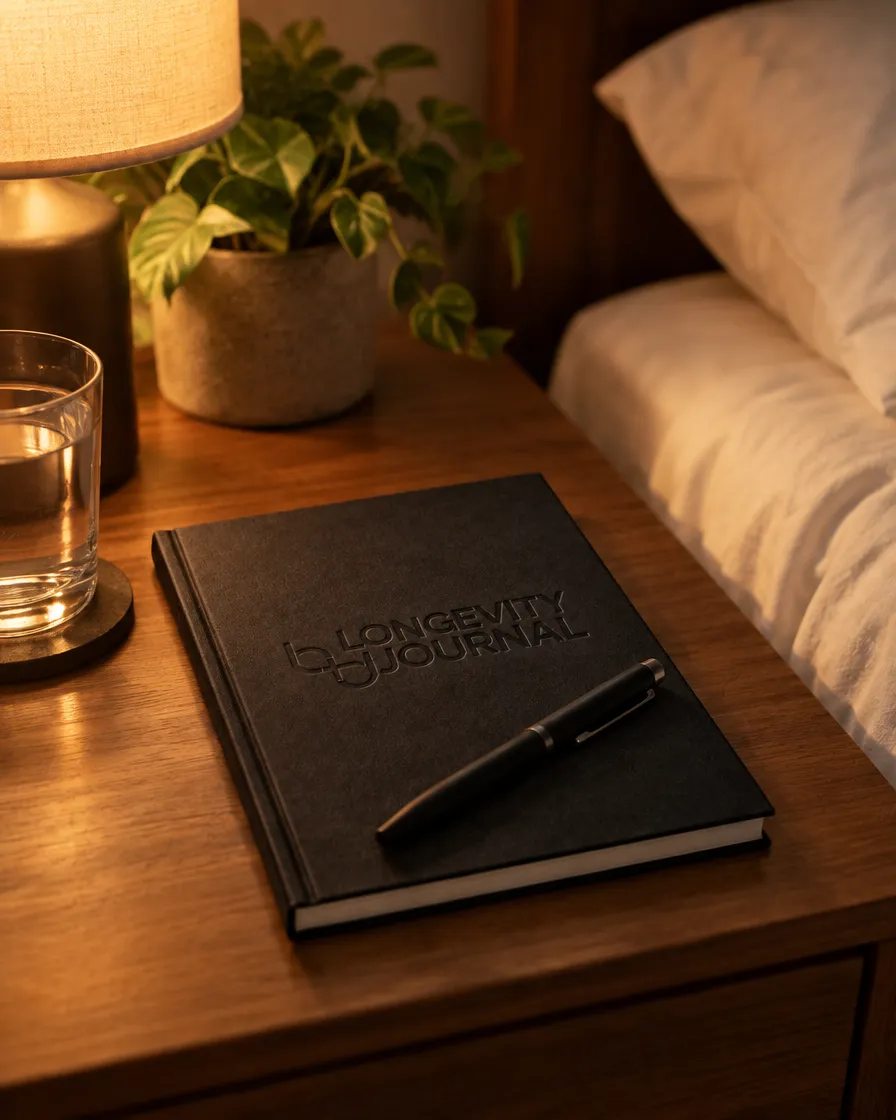
Most sleep advice is about duration: get your seven to nine hours. That still matters. But a large 2024 study suggests something else may matter just as much: regularity.
The study
Researchers followed around 60,000 people in the UK Biobank who wore activity trackers for a week, which measured when they actually slept, not when they said they did. They scored each person on how consistent their sleep and wake times were from day to day.
Over the following years, the most regular sleepers had a substantially lower risk of death than the least regular, roughly 20–50 % lower depending on the cause. Sleep regularity predicted mortality more strongly than sleep duration did.
It's an observational study, so it can't prove that irregular sleep causes the harm. But it fits with what we know about the body clock, which controls hormones, blood sugar, blood pressure and repair on a 24-hour cycle.
Why irregular sleep hurts
Your body clock is set mainly by light and by when you wake. When your schedule shifts by a couple of hours at the weekend, your clock has to catch up, much like mild jet lag. Researchers call it "social jet lag", and many people give themselves a dose of it every Monday.
How to become a regular sleeper
- Pick a wake time you can keep seven days a week. Within 30 minutes either side. This is the anchor everything else hangs on.
- Get outside within an hour of waking. Ten minutes of daylight tells your clock the day has started.
- Let bed time follow. Count back from your wake time to give yourself at least seven hours of sleep, plus time to fall asleep.
- After a late night, don't sleep in by more than an hour. Take a short early-afternoon nap (20 minutes) instead, and go to bed a little earlier.
- Dim the evening. Low, warm lights and no screens in bed make a consistent bed time far easier.
It feels restrictive for a couple of weeks. Then most people find they wake before the alarm.
In the journal: "Sleep" is one of the three non-negotiable boxes on every evening page, and your wake time goes on your sleep plan, page 21.
Sources: Windred et al., Sleep 2024 · Roenneberg et al., Current Biology 2012 · Watson et al., AASM/SRS consensus statement, Sleep 2015.
Related chapters in the course
Keep all eight in play
A4, wire-bound, 90 days. Five minutes in the morning, five at night.
Get the journal, €39.99