Waist, body fat or BMI: which number actually matters?
The scale tells you how much you weigh. It can't tell you where the fat is, and that's the part that matters.
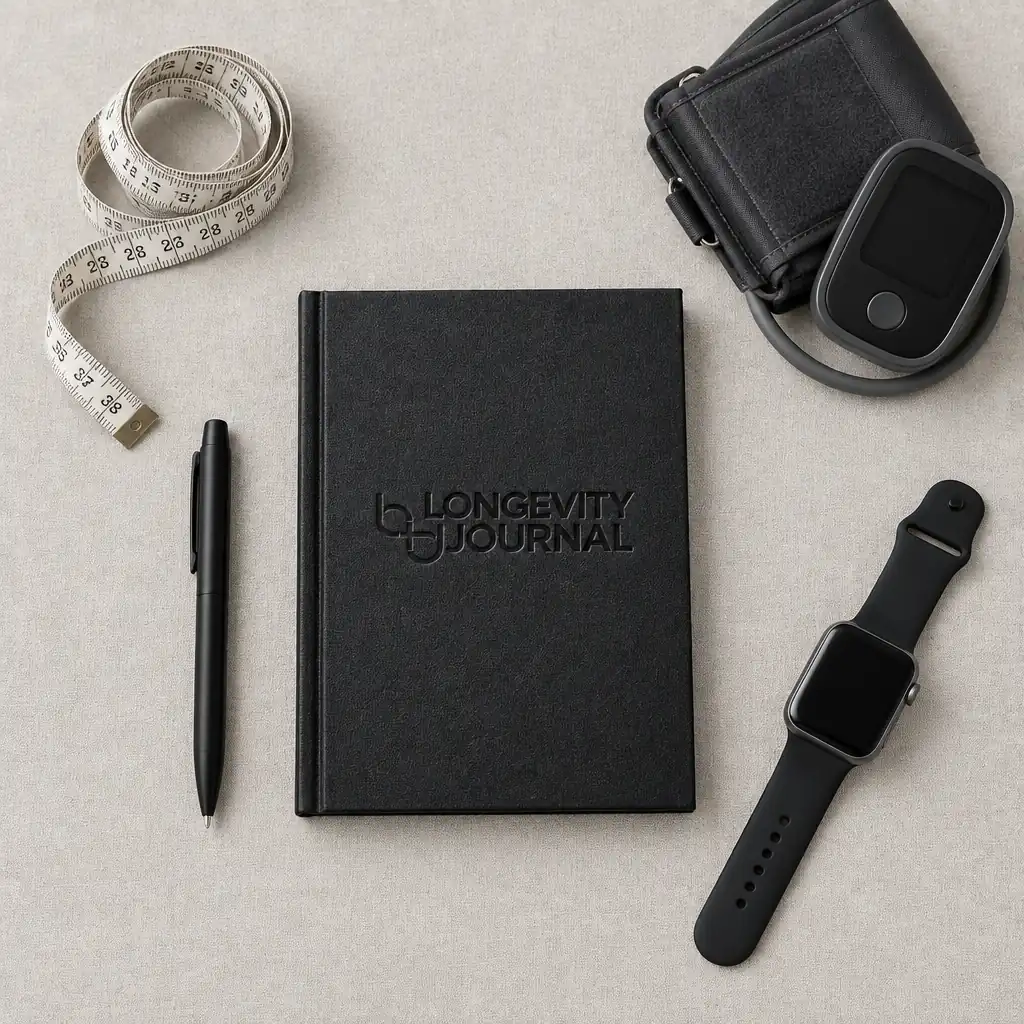
There are three common ways to check whether your body composition is healthy, and they don't measure the same thing.
BMI: fine for populations, poor for people
Body mass index is your weight divided by your height squared. It's quick and useful for studying large groups, and a very high BMI is a real risk signal. But for an individual it has two big blind spots.
It can't tell muscle from fat, so a muscular person can be labelled overweight. And it can't tell you where the fat sits, so someone with a "normal" BMI can still carry a risky amount around their organs.
Waist: the fat that matters most
The fat stored deep in your belly, around the liver and other organs, is the most metabolically active kind. It drives inflammation, insulin resistance, fatty liver and high blood pressure. A tape measure is a surprisingly good window onto it.
Two simple checks:
- Waist-to-height ratio below 0.5. Your waist should be less than half your height. The UK's NICE guidelines now recommend it alongside BMI because it predicts risk better.
- Waist circumference. For European adults, risk rises above 94 cm for men and 80 cm for women.
Measure at the level of your belly button, standing relaxed, after breathing out. Same time of day, same spot, every time.
Body fat percentage: useful, if you measure it the same way
Body fat percentage tells you how much of your weight is fat. It's the best way to see whether you're losing fat or muscle when you diet or train.
The methods vary a lot:
- DEXA scan is the reference method. It also measures visceral fat, muscle and bone density. It costs money, so it's an Optimized-level test.
- Smart scales send a small current through your body. They're convenient but can be several percentage points off, and hydration changes the reading. Use the same scale, at the same time of day, before eating, and trust the trend more than any single number.
- The tape formula estimates body fat from your waist, neck, height and (for women) hips. It's free and surprisingly consistent. There's a calculator on our Testing page.
In the journal, the Foundational targets are below 20 % for men and 28 % for women.
So which one should you use?
Use two of them, for different jobs:
- Waist-to-height as your main health check, because it tracks the dangerous fat directly.
- Body fat % to see whether your training and eating are changing your composition in the right direction.
BMI can stay on the sidelines.
What moves them
The same few things move all three: strength training to hold on to muscle, daily walking, enough protein, fewer ultra-processed foods and sugary drinks, less alcohol and better sleep. Visceral fat often responds faster than the scale suggests. It's common to lose centimetres before kilos.
In the journal: waist and body fat are two of the three metabolic boxes on the Foundational page. If either is your bottleneck, "walked after dinner" and "no sugary drinks" are good daily boxes.
Sources: NICE guideline NG246, 2022 · Ashwell et al., Obesity Reviews 2012 · Alberti et al., Circulation 2009.
Related chapters in the course
Keep all eight in play
A4, wire-bound, 90 days. Five minutes in the morning, five at night.
Get the journal, €39.99